Character Creations: Ideals and Flaws
Characters in Tirenia have ideals and flaws, just like in other worlds. Living up to their ideals, or giving in to their flaws, can be a source of Inspiration for them.
In a Dragon Princes game, instead of using the standard lists of options, consider using the religious virtues or sins instead. This helps to tie your character more firmly into the setting.
The seven virtues are:
Charity (Caritas): The Church states that helping those in need is virtuous. Giving of oneself - whether time, money, or anything else - to aid others is its own reward, and should not be done with the thought of reward or recognition. This can also mean donating to the Church, which is capable of helping people on a larger scale.
Chastity (Castitas): The moderation of sexual impulses. Tirenians generally do not believe in celibacy. They are also quite accepting of extramarital relationships, which are quite common for the upper classes. For them, chastity is about faithfulness to one's spouse or lover, and discretion in the case of affairs.
Diligence (Industria): Hard work is its own reward. Often, the correct thing to do is very hard and involves suffering. Diligence can therefore involve having faith and persevering when times are dark. Even if you fail, your soul will reap the benefits in a future life.
Humility (Humilitas): Humility is not about self-deprecation. It is about honestly recognising your abilities, but also those of others. It also recognises that the self is small and that the Divine One and the Creation are very large.
Kindness (Humanitas): Everyone has a divine spirit in them and the capacity for greatness. The Church teaches that, with time, anyone can ascend to become an angel. This virtue is about acknowledging and respecting the worth of others, and giving them the help that they need.
Patience (Patientia): Other people will not always able to follow these ideals. The virtue of patience is about respecting and understanding other people, and forgiving them when they wrong us. It is about being merciful to those who have wronged us.
Temperance (Temperantia): Moderation has been a virtue since before the beginning of the Church. It is more than just moderation in appetite - it is also moderation of emotion. Self-restraint is mandated in some cities with sumptuary laws that ban excessive displays of wealth or consumption.
There is considerable overlap between some of the virtues, as they are all connected - ultimately, they are about selflessness and building positive relationships in a community. Meanwhile, the seven vices are also connected, and are about promoting the self to a degree that hurts others, and ultimately oneself.
The seven sins are:
Envy (Invidia): Envy is wanting that which belongs to another. It is evil, because it leads to hatred of others, and acting upon it can destroy the bonds of society. It is the opposite of kindness.
Gluttony (Gula): Gluttony is the excessive consumption of food. In a world where many go without enough food, the gluttony of one can lead to the starvation of another. It also degrades self-control if it is indulged. It is the opposite of temperance.
Greed (Avaritia): Greed is the opposite of charity, and it is wanting things for yourself. It makes a person focus too much on the material world - what is gained in this life will be lost in the next - and can lead to crimes like theft, corruption or embezzlement.
Lust (Luxuria): Lust is the desire for pleasure. It is often linked with sexual pleasure. Those overcome with lust may be hypocritical, such as the many clergymen who have betrayed their oaths to take lovers. It may also be immoral - there are many deviant sexual deeds that are the result of lust. It is the opposite of chastity.
Pride (Superbia): Pride is the greatest of all sins, and the one from which all others ultimately spring. It is when a person rates themself too highly, which may lead to any manner of crime. It dehumanises others and can be used to justify any act. The opposite of pride is humility.
Sloth (Acedia): Inaction and despair are the hallmarks of sloth. No good end is possible when a person no longer tries for one. It alienates a person from the world, and can alienate others by not doing one's part. The opposite of sloth is diligence.
Wrath (Ira): Wrath is a lack of self-control. When someone allows their anger to rule them, they can be violent or cruel. The destruction that wrath causes can create further wrath, which can echo even after the original person is dead. It is the opposite of patience.
When chosing your virtue and vice, each character should relate how they apply to them. A Wrathful character may want revenge on a particular person or race; a Glutton may want a particular food; a Charitable person may have a particular group that they help out, or be part of a charitable confraternity. By choosing a vice and a virtue, your character will become more a part of the world of Tirenia.
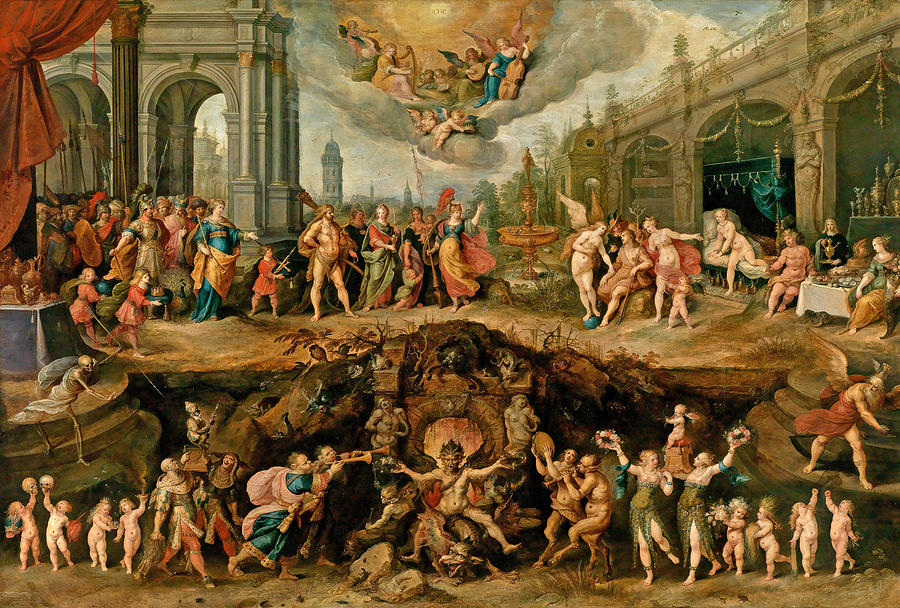
In a Dragon Princes game, instead of using the standard lists of options, consider using the religious virtues or sins instead. This helps to tie your character more firmly into the setting.
The seven virtues are:
Charity (Caritas): The Church states that helping those in need is virtuous. Giving of oneself - whether time, money, or anything else - to aid others is its own reward, and should not be done with the thought of reward or recognition. This can also mean donating to the Church, which is capable of helping people on a larger scale.
Diligence (Industria): Hard work is its own reward. Often, the correct thing to do is very hard and involves suffering. Diligence can therefore involve having faith and persevering when times are dark. Even if you fail, your soul will reap the benefits in a future life.
Humility (Humilitas): Humility is not about self-deprecation. It is about honestly recognising your abilities, but also those of others. It also recognises that the self is small and that the Divine One and the Creation are very large.
Kindness (Humanitas): Everyone has a divine spirit in them and the capacity for greatness. The Church teaches that, with time, anyone can ascend to become an angel. This virtue is about acknowledging and respecting the worth of others, and giving them the help that they need.
Patience (Patientia): Other people will not always able to follow these ideals. The virtue of patience is about respecting and understanding other people, and forgiving them when they wrong us. It is about being merciful to those who have wronged us.
Temperance (Temperantia): Moderation has been a virtue since before the beginning of the Church. It is more than just moderation in appetite - it is also moderation of emotion. Self-restraint is mandated in some cities with sumptuary laws that ban excessive displays of wealth or consumption.
There is considerable overlap between some of the virtues, as they are all connected - ultimately, they are about selflessness and building positive relationships in a community. Meanwhile, the seven vices are also connected, and are about promoting the self to a degree that hurts others, and ultimately oneself.
The seven sins are:
Envy (Invidia): Envy is wanting that which belongs to another. It is evil, because it leads to hatred of others, and acting upon it can destroy the bonds of society. It is the opposite of kindness.
Gluttony (Gula): Gluttony is the excessive consumption of food. In a world where many go without enough food, the gluttony of one can lead to the starvation of another. It also degrades self-control if it is indulged. It is the opposite of temperance.
Greed (Avaritia): Greed is the opposite of charity, and it is wanting things for yourself. It makes a person focus too much on the material world - what is gained in this life will be lost in the next - and can lead to crimes like theft, corruption or embezzlement.
Lust (Luxuria): Lust is the desire for pleasure. It is often linked with sexual pleasure. Those overcome with lust may be hypocritical, such as the many clergymen who have betrayed their oaths to take lovers. It may also be immoral - there are many deviant sexual deeds that are the result of lust. It is the opposite of chastity.
Pride (Superbia): Pride is the greatest of all sins, and the one from which all others ultimately spring. It is when a person rates themself too highly, which may lead to any manner of crime. It dehumanises others and can be used to justify any act. The opposite of pride is humility.
Sloth (Acedia): Inaction and despair are the hallmarks of sloth. No good end is possible when a person no longer tries for one. It alienates a person from the world, and can alienate others by not doing one's part. The opposite of sloth is diligence.
Wrath (Ira): Wrath is a lack of self-control. When someone allows their anger to rule them, they can be violent or cruel. The destruction that wrath causes can create further wrath, which can echo even after the original person is dead. It is the opposite of patience.
When chosing your virtue and vice, each character should relate how they apply to them. A Wrathful character may want revenge on a particular person or race; a Glutton may want a particular food; a Charitable person may have a particular group that they help out, or be part of a charitable confraternity. By choosing a vice and a virtue, your character will become more a part of the world of Tirenia.
Art: 'Man's Eternal Dilemma: The Choice Between Virtue and Vice.' Frans Francken the Younger, c. 1633.


Comments
Post a Comment